ClikOn Engineering Insights
Deep dive logs covering AI pipeline development, automated QA runs, cloud networking, and next-gen frontend performance checks.
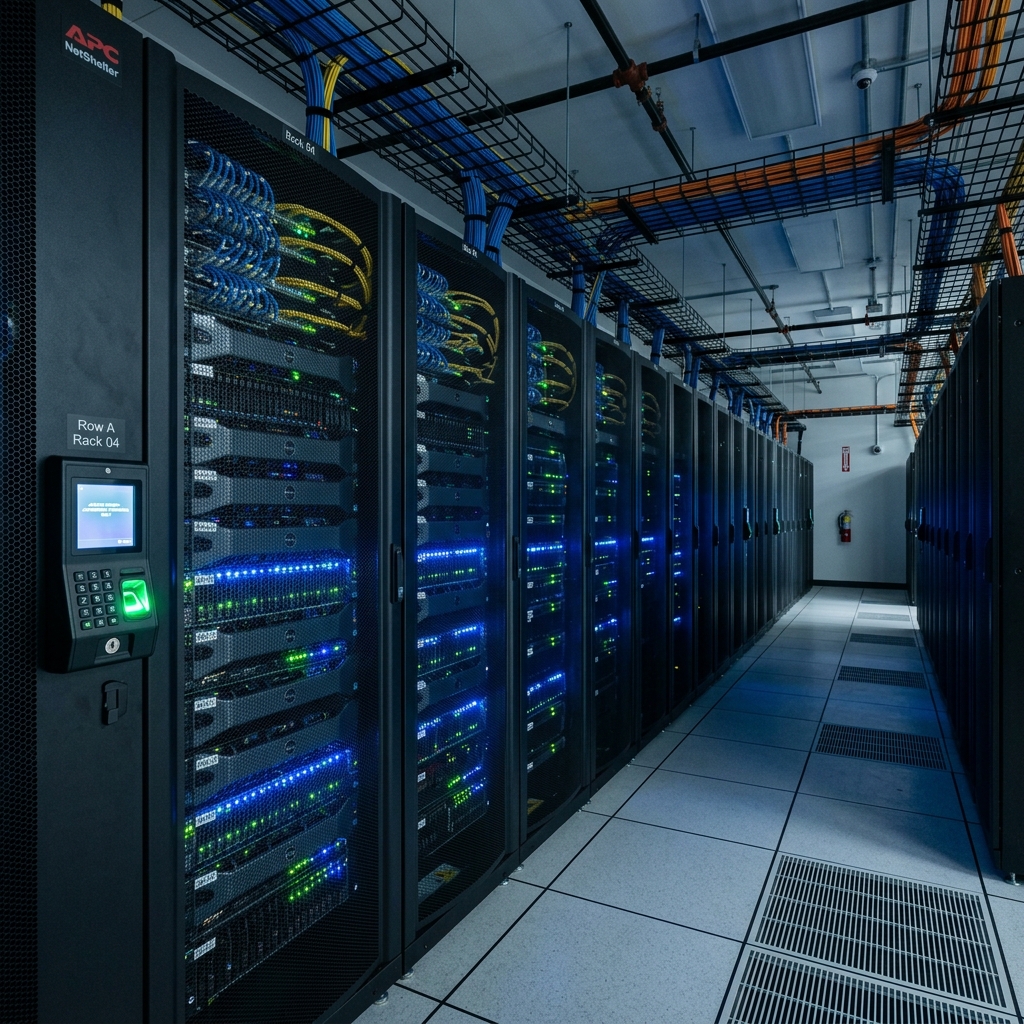 Featured Log
Zero-Latency RAG Pipelines inside Secure AWS VPCs
A comprehensive log of how we build Retrieval-Augmented Generation architectures. Learn about setting up secure pgvector database instances inside private subnets and writing custom query-cache scripts to reduce pipeline response latencies to sub-80ms.
Why We Block Pull Requests at 99.9% Playwright Gates
Manual web app inspections are a bottleneck for fast-scaling startups. We explore how setting up headless Playwright specs and visual comparison suites inside dockerized CI containers eliminates regressions completely before updates hit production servers.
Static Compilation Performance in Next.js Turbopack
We breakdown our strategy for structuring clean, lightweight components in Next.js. Read how avoiding heavy template libraries and writing optimized CSS loaders helps our client sites score 100 on Google Lighthouse.
Zero-Latency RAG Pipelines inside Secure AWS VPCs
A comprehensive log of how we build Retrieval-Augmented Generation architectures. Learn about setting up secure pgvector database instances inside private subnets and writing custom query-cache scripts to reduce pipeline response latencies to sub-80ms.
Why We Block Pull Requests at 99.9% Playwright Gates
Manual web app inspections are a bottleneck for fast-scaling startups. We explore how setting up headless Playwright specs and visual comparison suites inside dockerized CI containers eliminates regressions completely before updates hit production servers.
Static Compilation Performance in Next.js Turbopack
We breakdown our strategy for structuring clean, lightweight components in Next.js. Read how avoiding heavy template libraries and writing optimized CSS loaders helps our client sites score 100 on Google Lighthouse.